Given that Anglo American South Africa knew about children’s death from lead poisoning back in the late 1960s,” said Lydia Moyo, Kabwe community members and mother of two children impacted by the mine’s toxic pollution, “what is stopping you from turning your attention towards the ongoing suffering of the people of Kabwe, to keep the promise of your own promises to remedy where you have done harm, and to do no harm?
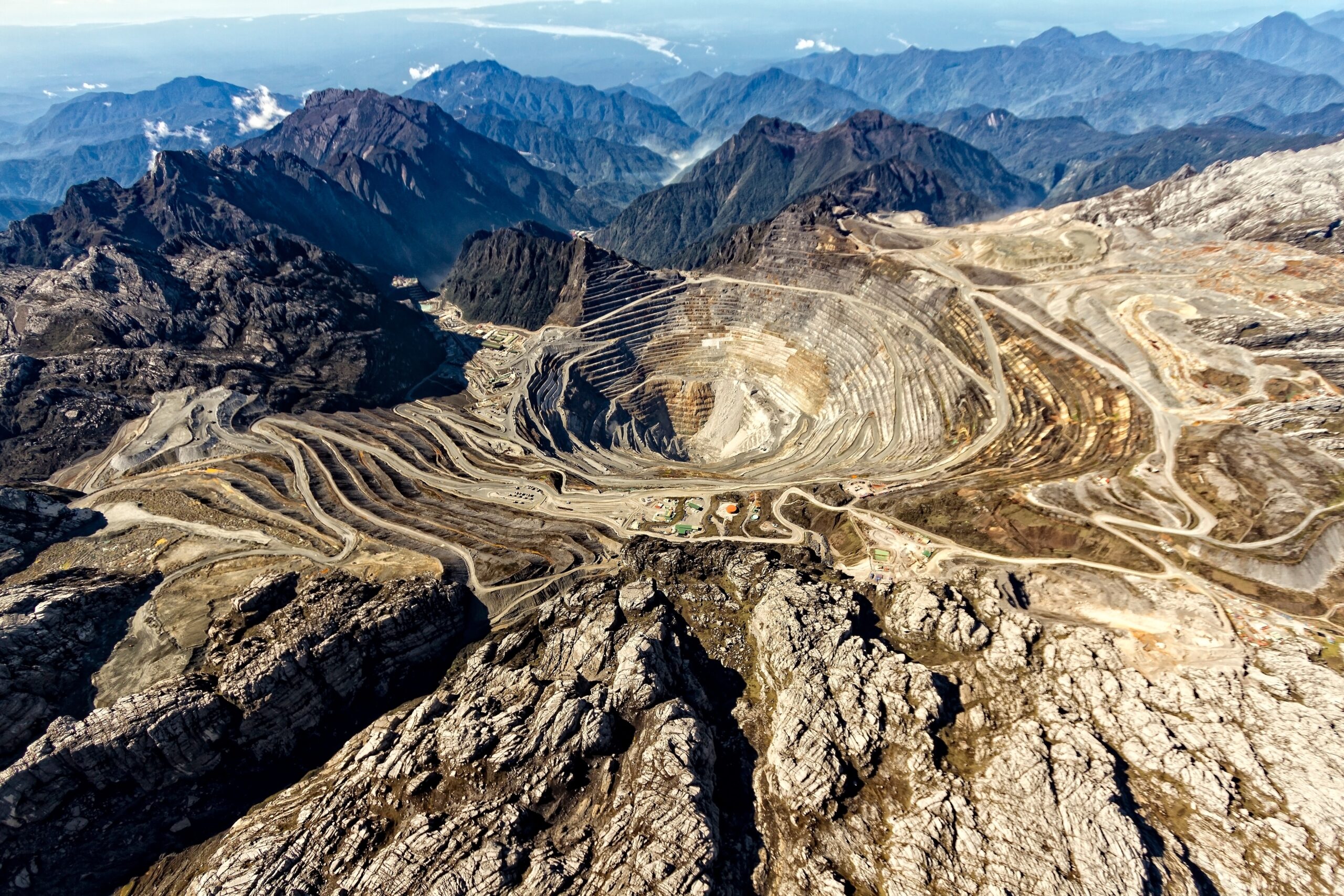
Kabwe, Zambia, is one of the world’s most polluted towns, in large part due to Anglo American’s former lead and zinc mining and smelting operations.
Formerly known as the Broken Hill Mine, the Anglo American Group held interest in the mine for almost 50 years from 1925 to 1974, when an alleged majority of the operations’ toxic pollution was released.
Anglo American was aware at least from the early 1970s of widespread lead poisoning of local children and the environment from evidence provided by mine doctors and international experts they commissioned. Yet, despite the reports, Anglo American failed to address these issues, demonstrating flagrant disregard for the health and safety of Kabwe’s residents.
As a result, many residents have chronic, irreversible health issues. This includes tens of thousands of children with lead poisoning and serious and lifelong neurological and cognitive impairment. One study estimates that over 95% of children have high blood lead levels above thresholds considered safe by the World Health Organization.
Currently class action proceedings are active against Anglo American South Africa Limited (‘AASA’), the former Head Office Company of the Anglo American Group, on behalf of an estimated 140,000 women and children. They are claiming compensation for their injuries, the costs of monitoring their Blood Lead Levels (BLLs), and the costs of cleaning up the environment.
Support the campaign, led by Action for Southern Africa, for justice for Kabwe.