Standards for Mining Must Respect People and Environment
Standards that credit companies for “responsibly” producing minerals must be strong and center Indigenous Peoples and affected communities.
Learn More
CMSI: A new proposed standard is a dangerous illusion
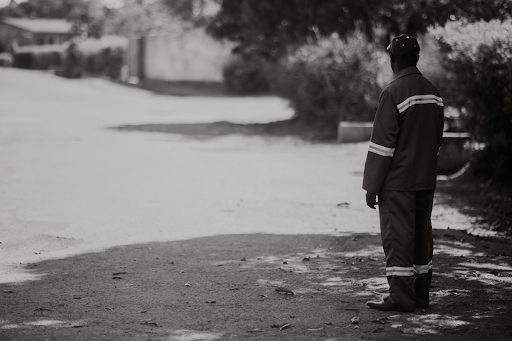
Mining & Smelting in One of the World’s Most Polluted Towns
“Given that Anglo American South Africa knew about children’s death from lead poisoning back in the late 1960s, what is stopping you from turning your attention towards the ongoing suffering of the people of Kabwe, to keep the promise of your own promises to remedy where you have done harm, and to do no harm?” said said Lydia Moyo, Kabwe community members and mother of two children impacted by the mine’s toxic pollution.
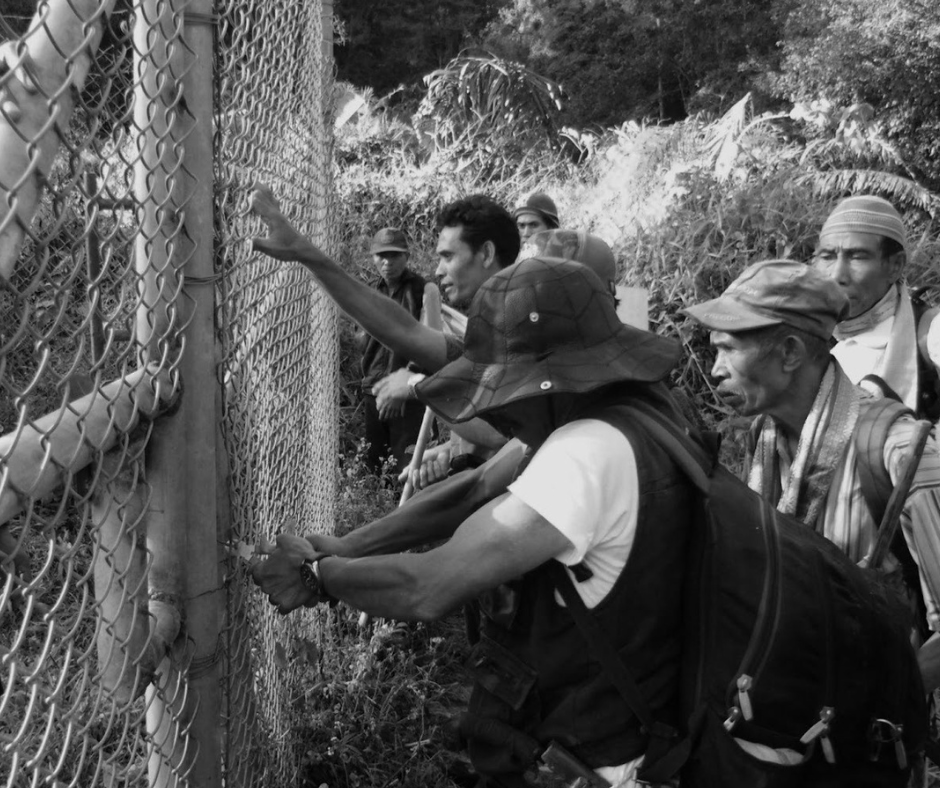
Batu Hijau Mine Complaints
“Our ancestral lands embody not only physical territory but the soul and history of our people,” said Indigenous leader Datu Sukanda. “To disregard our voices is to undermine our very existence.”
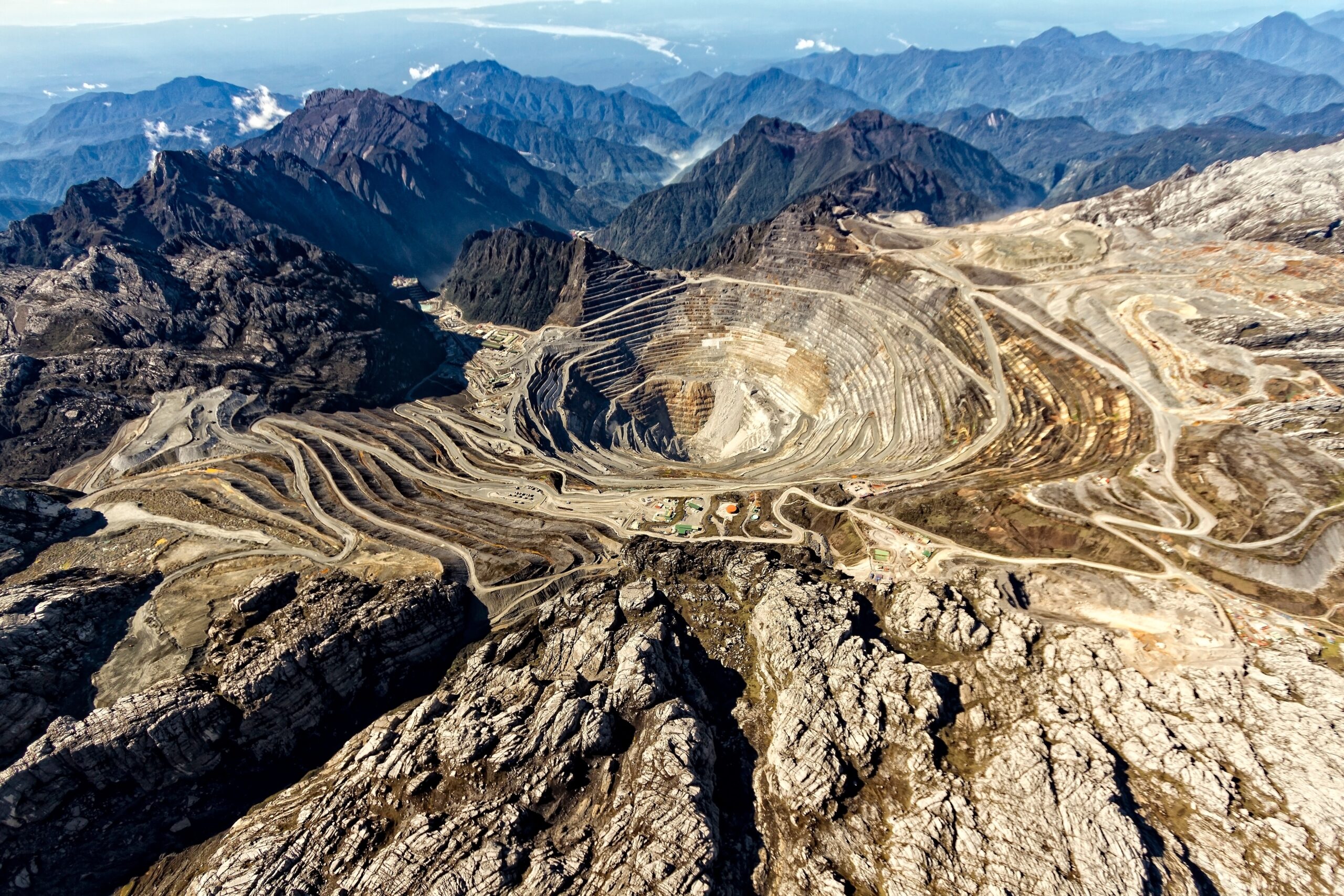
Freeport McMoRan’s Grasberg Mine: Hazardous and Inhumane
Freeport McMoRan’s Grasberg Mine is one of the world’s largest open-pit and underground copper and gold mines. Mining operations and tailings, which are laden with hazardous waste, repeatedly displace local communities, damage food supplies, and destroy aquatic life closely tied to traditional livelihoods.
Indigenous Peoples
Communities & the Places We Call Home
Downstream Mineral Purchasers
Investors
Consumers
The Transition to a More Equitable Economy
Strong and well-enforced laws and regulations are the best way to ensure mining companies respect people and the environment.
The current draft of the Consolidated Mining Standard does not meet these basic elements. We demand that the Consolidated Mining Standard Initiative: